ジョン:
注目すべきことは、訓練すれば、二重記述[記述の重ね合わせ](double description)は、もし知覚ポイント(知覚の対象perceptual points)が適切に選択されてさえいれば、続いて、あなたが、この現実世界の中で(in the world)探し求めることが出来るであろう第3の知覚ポジション(知覚上の位置perceptual position)について、真に知性的な推測を行うことを可能にさせるであろう、ということです。恐らく、知覚フィルター(perceptual filters)に堅く結び付けられている考え(信念beliefs)に対する矯正手段(解毒剤antidote)は、ただ単に面白い推測をすることだけでなく、それを真剣に受け止め、現実の世界に立ち戻り、あなたが立てた仮説(hypothesis)への肯定的、あるいは否定的な証拠を相互対比的に、繰り返し、繰り返し、何度も何度も探し求めようとする能力です。しかし、これら二つの事は、それらだけで、あなた自身が生ける死者の一部になることから救い出すための十分条件ではありません。
ここで参加して来るのが第3の原理(principle)です。第3の原理とは、反例(counterexample)を探すことです。あなたが知覚フィルター(perceptual filters)の概念を理解しているのであれば、それは、私たちが第2の注意が第1の注意にマッピングされる際の意識の歪みのレベルで話しているのか、それとも、あなたが網膜から中枢神経系に向かって戻る際、あなたは、ずっと、視神経内に起こっている、あらゆる段階の総括(the class of summations)の隅々に至るまで考え尽くしていているのか、どちらかということになります。時間が経って分かることは、もしあなたが確認のための情報を探しているのであれば、あなたの信念やあなたが立てた仮説は、それらが違いを持った情報(information of difference)は通さない帯域フィルター(band-pass filters)になるような仕方で、知覚フィルターによる入力を組み立てている(structure)ということです。
ジュディ:
違いとは、違いを作るもの。
ジョン:
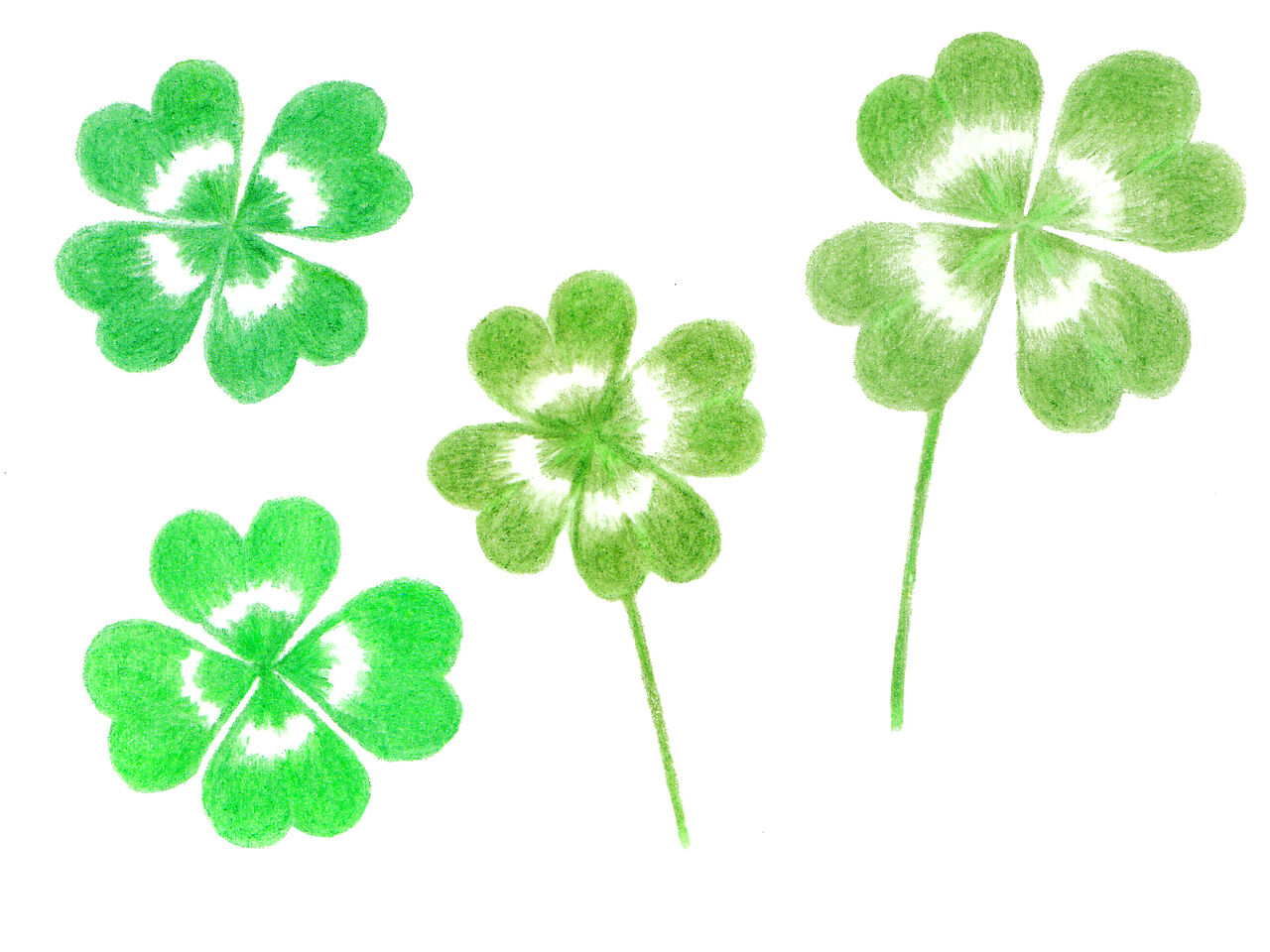
あなたは、死んだハエに囲まれて死ぬことが出来るかも。(笑い)。私がかつて、虫たちに対する感覚器官(receptors)の対応物を、カエルの目の中に初めて見つけた時が、その良い例でした。私はある研修会(workshop)で、クローバー畑に歩いて行き、60秒も経たないうちに、四つ葉のクローバーを手にして戻って来ることが出来た女性に会いました。また、彼女が、それをどのように出来たかは、まったく明らかでした。彼女は単純明解でさえありました。
彼女は自分の内部視覚システム(internal visual system)の中に、テンプレート、すなわち、四つ葉のクローバーがどのようなものであるかという、四つ葉のクローバーを三つ葉のクローバーから区別するその特徴を強調するシルエットをこしらえていました。そして、彼女は単純に、テンプレートを周囲に押し出して、いわば混合された状態(mixed state)に入り込みますが、そこでは反省的意識(reflexive consciousness)は、まだ要求されません(最初に注意を払うにはあまりに複雑過ぎるため)。それが要求されるのは、彼女が入念に組み立てたテンプレートが、周囲の環境の中で、同じ形との偶然の一致があった時です。(注目すべきは、整理を行うために最初の注意を用いること)。これを精妙に(with refinement)行う彼女の能力が、四つ葉のクローバーを見つけるという彼女の持つ、この並外れた素晴らしい才能に繋がっていたのです。
(「ニューコードNLPの原点−個人的な天才になるための必要条件」p.376-377)

John:
Notice that with practice, a double description, if the perceptual points are chosen properly, allows you to make really intelligent guesses
about a third perceptual position which you could then seek in the world.
Perhaps the antidote to hard-wired beliefs in the perceptual filters is the ability, not only to make
interesting guesses, but to take the guesses seriously enough
to go back to the world and seek evidence for or against the hypothsis which you formulated, iteratively, recursively,
again and again and again. But those two things are not in and of themselves
adequate to protect yourself from becoming part of the living dead.
There's
a third principle involved here. The third principle is that you seek a counterexample. That is, if you understand the notion
of perceptual filters, whether
we're talking at the level of the distortions of consciousness as second
attention is mapped into first attention, or you're thinking all the way out to the periphery of the class of summations that occur in the optic nerve
as you move back from the retina toward the central nervous system. Recognize that over time that your beliefs, the hypotheses you formulate, if you go seeking confirming information, will structure the input by perceptual filters in such a
way that they are band-pass filters that will not
allow information of difference to pass.
Judy:
Difference is what makes a difference.
John:
You could die with dead flies all around you. (laughter). The first time I ever
ran across the counterpart of the receptors for bugs in the frog's eye was a
really brilliant example. I met a woman in a workshop who could walk into a
field of clover and return within sixty seconds with a four-leaf clover. And it
was quite obvious how she did it. Even she was explicit.
She formulated in her internal visual system a template, a silhouette of what a four-leaf clover looked like,
emphasizing those features which make a four-leaf clover distinct from a three-leaf
clover. And she would simply go into a mixed state where the template, as it
were, was pushed out to the periphery, so no reflexive consciousness was required (far too complex for first atterntion to involved) until there was a match of the template she had deliberately set up (notice, using first attention to make the arrangements) at the periphery with the coincidence of the same form from the environment. Her ability to do
this with refinement led to this rather extraordinary
and amusing talent she had of being able to find four-leaf clovers.
(TURTLES ALL THE WAY DOWN: Prerequisites to Personal Genius, PREFACE p.376-377)